

Autoplay has turned into a common convenience in many video slots, slot jackpot lab free bonus code, allowing players to set a predetermined number of spins that operate without manual input. The feature is designed to cut down on repetitive clicking while keeping the same mathematical profile as manual play. Understanding its options, limits, and interaction with bonus mechanics assists players determine when it provides value and when it may remove too much control.
Risk level, RTP, and Play Session Management
Automatic play does not affect a slot’s RTP or volatility; it simply executes the same probability model at a higher speed. High-volatility games may yield prolonged sequences of small returns followed by occasional large payouts, so defining a stop-loss limit becomes more relevant. Conversely, medium-volatility titles with regular line hits may suit longer autoplay counts without quick balance swings.
Players can check the published RTP figure, often presented in the information panel, with their selected stop conditions. Examining the paytable before enabling autoplay indicates which symbols activate features and how multipliers increase, allowing more exact estimation of session length and risk.
Bet Range, Top Prize, and Stake Consistency
Autoplay fixes the current bet configuration for every spin in the sequence. The minimum and maximum stakes available depend on the game’s configuration, frequently ranging from a few cents up to tens of currency units per spin. Because the stake remains fixed, the theoretical maximum win—whether a fixed jackpot, progressive pool, or multiplier cap—stays proportional to the chosen bet.
- Verify the current total bet displayed on the control bar before starting autoplay.
- Determine whether the game uses fixed paylines, ways-to-win, or cluster pays, as these affect how the stake is calculated.
- Verify any progressive jackpot contribution percentage if the title includes one, since autoplay spins contribute identically to manual spins.
Typical Misconceptions and Responsible Adjustments
A widespread misconception is that autoplay affects the outcome distribution. In reality, each spin remains independent, and the very random number generator manages both manual and automated play. Another assumption is that longer autoplay counts improve chances of hitting a bonus; the probability per spin remains constant regardless of how many spins are queued.

Players who choose a hands-on approach can confine autoplay to short bursts, such as twenty or fifty spins, then review. Adjusting stop-loss or stop-win thresholds between sequences offers a middle ground between full manual control and extended automation. Reviewing the game rules and paytable after each session aids maintain realistic expectations about variance and feature frequency.
Essential Options and Boundaries Players Come Across
Most autoplay panels present a numeric field or slider for total spins, commonly spanning from ten to several hundred. Additional toggles allow players to stop the sequence when a single win exceeds a chosen multiplier or when the balance changes by a set percentage. These stop-loss and stop-win thresholds aid manage exposure without constant monitoring of the screen.
Some interfaces also feature an optional delay between spins measured in milliseconds, useful for slower connections or when a player wants to watch reel stops more closely. All parameters reset when the game is reloaded, preventing accidental repetition of previous settings across different sessions or devices.
How Autoplay Works with Bonus Features
When a scatter combination lands during an autoplay sequence, the bonus round begins automatically. Free spins, re-spins, or pick-and-click sequences proceed under the same autoplay rules unless the game specifically stops for decisions. This transition maintains the flow uninterrupted but can decrease the time available to adjust stake size before the bonus starts.
Free Spin Rounds
Throughout free-spin rounds triggered by autoplay, the feature usually continues without requiring re-activation. Win celebrations may be shortened or skip entirely to maintain speed, yet the underlying paytable and multiplier values remain identical. Players who choose to watch every animation can disable quick-play options in the settings menu before starting autoplay.
Pick-and-Click or Gamble Rounds
Some titles feature pick-and-click bonuses or double-or-nothing gamble features. In these cases, autoplay normally pauses and waits for manual input. The pause stops unintended selections and ensures the player retains full control over choices that affect potential payouts.
Defining Autoplay in Modern Slot Games
Autoplay is a included setting that triggers consecutive spins at the chosen stake without further clicks. It is different from turbo or quick-spin modes, which only reduce reel animations but still require a new click each round. The function shows up in the game interface as a button or toggle, usually adjacent to the main spin control. Once activated, it operates until the selected spin count completes, a stop condition activates, or the player cancels it manually.
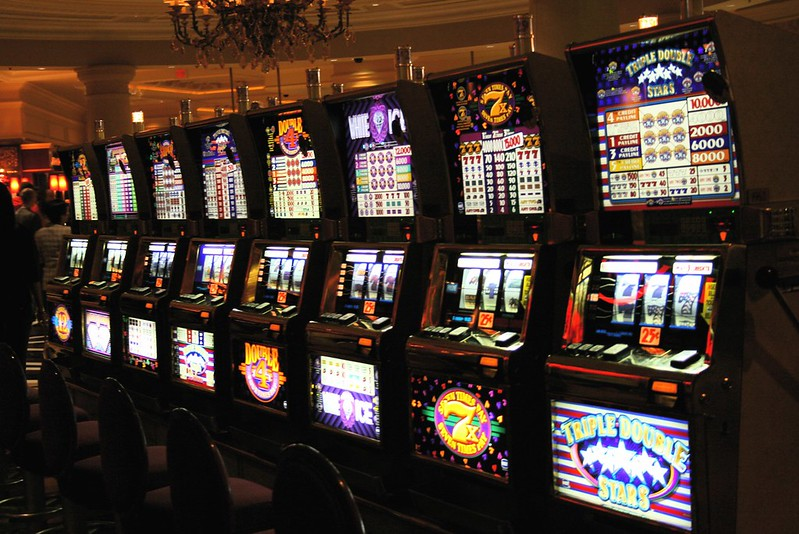
Developers incorporate autoplay to cater to long sessions on high-volatility titles where players may desire hundreds of spins. The setting keeps the current bet level, coin value, and active paylines or ways, so the stake remains consistent. Because the random number generator goes on to operate independently, each spin maintains the same return-to-player percentage and volatility rating as a manually triggered round.
Actionable Steps to Activate and Track Autoplay
Locate the autoplay icon, usually displayed by two curved arrows or the word “AUTO.” Choose the desired number of spins and any stop conditions. Review the summary panel that displays total spins, current stake, and estimated session cost. Press start to start the sequence.
- Monitor the first few spins to ensure reel speed and sound levels match expectations.
- Monitor the balance and feature counters; most interfaces display remaining spins and any activated bonuses.
- Use the stop button at any moment to halt the sequence without losing accrued winnings.
Security and Regulatory Adherence
Trustworthy operators submit autoplay functions to the identical regulatory audits conducted for manual play. Independent testing labs verify that the random number generator generates unbiased results if spins are triggered one at a time or queued in advance. Players can confirm certification seals displayed in the game information panel before dedicating funds to extended sequences.
Account-level controls additionally reinforce responsible use. Many platforms allow users to set daily loss limits or session timers that supersede any in-game autoplay settings. When these broader safeguards activate, the current spin sequence stops immediately, protecting the player from unintended continued play even if the in-game stop conditions were not reached.
